
Introduction
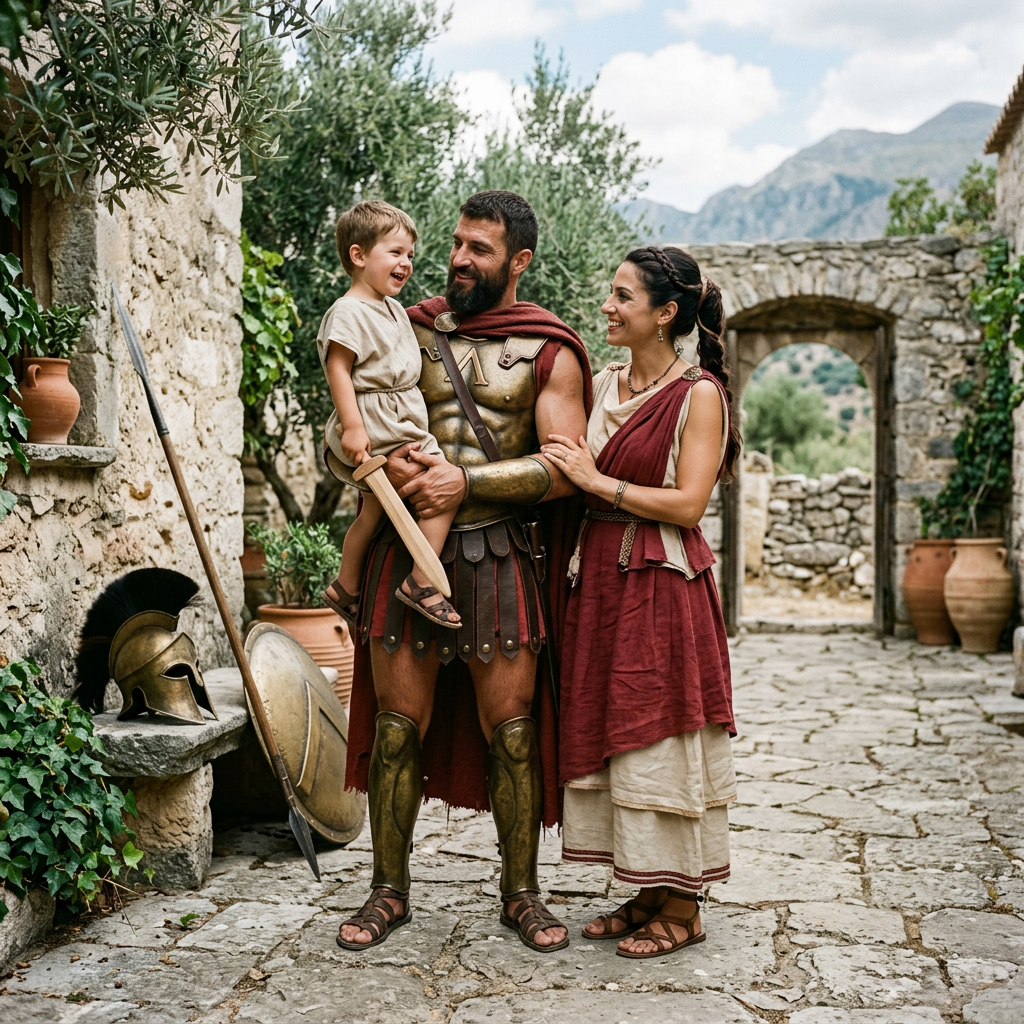
When discussing Ancient Greece, many people imagine a male-dominated society where women had little influence outside the home. While this description accurately reflects many Greek city-states, Sparta was a remarkable exception. The role of Spartan women was unlike that of women anywhere else in the ancient Greek world. They enjoyed greater freedom, received formal education, owned property, and played a vital role in maintaining Spartan society.
Spartan women were not warriors in the traditional sense, but their influence extended far beyond the domestic sphere. Their responsibilities were deeply connected to Sparta’s military culture, economic stability, and social values. In many ways, they helped sustain one of history’s most famous warrior societies.
This article explores the role of Spartan women, examining their rights, education, social status, economic power, and lasting legacy in Ancient Greece.
Understanding Spartan Society
To understand the position of Spartan women, it is important to first understand the unique nature of Sparta itself.
Sparta was a powerful city-state located in the region of Laconia in the southern Peloponnese. Unlike Athens, which emphasized philosophy, art, and democracy, Sparta focused on military excellence and discipline. The state was organized around producing highly trained soldiers capable of defending Spartan territory and maintaining control over the large population of helots, the enslaved agricultural workers who supported the economy.
Because Spartan men spent much of their lives in military training and service, women assumed responsibilities that would have been reserved for men elsewhere in Greece. This unique social structure created opportunities for Spartan women that were almost unheard of in the ancient world.
Education of Spartan Women
One of the most striking differences between Spartan women and other Greek women was access to education.
In many Greek city-states, girls received little formal education and were expected to focus primarily on domestic skills. In Sparta, however, girls participated in organized educational programs designed to prepare them for their future roles within society.
Spartan girls were taught:
- Reading and writing
- Music and poetry
- Physical fitness and athletics
- Dance and cultural traditions
- Social and civic responsibilities
Physical training was particularly important. Girls participated in running, wrestling, discus throwing, and other athletic activities. The Spartans believed that physically strong women would give birth to healthy and strong children who could become capable warriors.
This emphasis on education and physical development contributed to the confidence and independence for which Spartan women became famous throughout Ancient Greece.

Physical Training and Athletic Participation
Physical fitness played a central role in the lives of Spartan women.
Ancient sources describe Spartan girls training publicly alongside their peers. They competed in athletic contests and participated in exercises designed to strengthen the body.
The Spartan state promoted female athleticism because it viewed motherhood as a civic duty. Strong mothers were believed to produce stronger offspring, ensuring the future success of Sparta’s military system.
This attitude shocked many other Greeks. Athenians, for example, considered such public participation by women unusual and even scandalous. Yet within Sparta, athletic training was regarded as both practical and honorable.
As a result, Spartan women were often described as healthier, stronger, and more self-assured than women elsewhere in Greece.
Marriage and Family Life
Marriage in Sparta differed significantly from marriage practices in other Greek city-states.
While many Greek girls married during their early teenage years, Spartan women typically married later, often in their late teens or early twenties. This later age allowed them to complete their education and physical development before starting a family.
Marriage was viewed as a contribution to the state rather than simply a private relationship. Producing healthy children was considered essential to maintaining Sparta’s military strength.
Spartan women entered marriage with greater maturity and independence than many of their contemporaries. They often managed household affairs while their husbands were absent on military campaigns or living in military barracks.
The importance of family in Sparta was reflected in the famous saying attributed to Spartan mothers, who reportedly told their sons to return from battle “with your shield or on it,” emphasizing courage, honor, and duty above all else.
Economic Power and Property Ownership
Perhaps the most extraordinary aspect of Spartan women’s lives was their economic influence.
Unlike women in many other Greek societies, Spartan women could own, inherit, and manage property. This right provided them with significant financial independence and social standing.
Several factors contributed to this situation:
Frequent Absence of Men
Spartan men spent much of their lives engaged in military service. Women often assumed responsibility for managing estates and agricultural operations.
Inheritance Rights
Women could inherit land from their families. Over time, substantial amounts of Spartan wealth came under female ownership.
Economic Administration
Women frequently oversaw property management, labor organization, and household finances.
By the fourth century BCE, ancient writers reported that Spartan women controlled a considerable percentage of the city’s land and wealth. This level of economic power was virtually unparalleled in the Greek world.
Their ability to own and administer property gave Spartan women influence that extended far beyond the household.

Political Influence Without Political Office
Spartan women could not vote or hold official political positions. However, this limitation does not mean they lacked political influence.
Their social standing, wealth, and family connections often allowed them to shape decisions indirectly. As mothers, wives, and daughters of military leaders, they participated in the networks that influenced Spartan society.
Ancient observers frequently commented on the confidence with which Spartan women expressed their opinions. Their voices carried weight within families and communities, especially when matters of military honor or social values were discussed.
Many historians argue that Spartan women possessed more informal political influence than women in most ancient societies.
The Role of Motherhood in Sparta
Motherhood was one of the most respected responsibilities in Spartan culture.
Unlike some societies that confined women to domestic spaces, Sparta viewed motherhood as a contribution to the state’s survival. Mothers were expected to raise disciplined, courageous, and loyal citizens.
Spartan women instilled values such as:
- Honor
- Courage
- Self-discipline
- Loyalty
- Endurance
The upbringing of children was considered essential to maintaining Sparta’s military reputation. Mothers were expected to prepare their sons for military service and encourage them to place the interests of Sparta above personal comfort.
Although modern perspectives may view this approach critically, within Spartan society motherhood was regarded as a prestigious and patriotic duty.
Social Freedom Compared to Other Greek Women
The social freedoms enjoyed by Spartan women were extraordinary for their time.
Women in Athens often lived highly restricted lives. Their public appearances were limited, and they rarely participated in social or economic activities outside the home.
Spartan women experienced far greater freedom.
They could:
- Move freely in public spaces
- Participate in athletic competitions
- Receive formal education
- Own and manage property
- Speak openly in public settings
- Exercise economic authority
This freedom contributed to the perception among other Greeks that Spartan women were unusually independent.
Some ancient writers admired these qualities, while others criticized them. Regardless of opinion, there was little doubt that Spartan women occupied a unique position within Greek society.
Ancient Criticism of Spartan Women
Not everyone viewed Spartan women positively.
Some ancient Greek authors, particularly those from Athens, criticized what they perceived as excessive female independence in Sparta.
Critics argued that Spartan women possessed too much influence and enjoyed freedoms that challenged traditional gender roles. Others claimed that their wealth and authority weakened Spartan discipline.
These criticisms reveal an important reality: Spartan women stood apart from conventional expectations. Their status was so unusual that it became a topic of debate throughout the ancient Greek world.
Modern historians often view these criticisms as evidence of how distinctive Sparta’s social structure truly was.

Decline of Sparta and Changing Roles
As Sparta’s power declined after the fourth century BCE, many aspects of its social system began to change.
Military setbacks, population decline, and economic challenges weakened the institutions that had shaped Spartan society. The unique position of women gradually evolved alongside these broader transformations.
Despite these changes, historical accounts continued to highlight the exceptional status of Spartan women. Their reputation for independence and strength endured long after Sparta ceased to dominate Greek affairs.
The legacy of Spartan women remained one of the most remarkable features of the city’s history.
The Legacy of Spartan Women
The story of Spartan women continues to fascinate historians, scholars, and readers today.
Their lives challenge many assumptions about gender roles in the ancient world. While they did not enjoy complete equality with men, they possessed rights and opportunities that were rare for their era.
The legacy of Spartan women can be seen in several areas:
Women’s Education
Sparta demonstrated that societies could invest in the education and physical development of girls.
Economic Participation
The property rights enjoyed by Spartan women illustrate the significant role women can play in economic life.
Social Influence
Their example shows that political influence can exist even without formal political office.
Historical Significance
Spartan women remain among the most studied female groups in ancient history because their experiences differed so dramatically from those of their contemporaries.
Their story offers valuable insights into the diversity of human societies and the many ways women have shaped history.
Conclusion
The role of Spartan women was unlike that of any other women in Ancient Greece. Through education, athletic training, property ownership, and social influence, they occupied a position that was both powerful and distinctive.
While Sparta is often remembered for its legendary warriors, the city-state’s success depended on more than military strength alone. Spartan women managed households, controlled wealth, raised future citizens, and upheld the values that defined Spartan culture.
Their independence challenged traditional expectations and continues to intrigue historians more than two thousand years later. By examining the lives of Spartan women, we gain a deeper understanding not only of Sparta itself but also of the complex and varied roles women have played throughout history.
Far from existing in the shadows, Spartan women stood as influential figures whose contributions helped sustain one of the most famous civilizations of the ancient world.
Fortisetliber’s View
The story of Spartan women is often told as an exception in the ancient world. Yet from a Fortis et Liber perspective, their significance lies not in how different they were from other Greek women, but in what they reveal about the relationship between strength and freedom.
Sparta understood a truth that many societies overlook: a strong civilization cannot be built by strong men alone. While Spartan warriors became legendary on the battlefield, the foundations of their character were often forged by the women who raised them, educated them in values, and managed society during the men’s absence.
Spartan women were expected to be physically capable, mentally resilient, and socially responsible. Their education was not merely preparation for domestic life but preparation for stewardship. They were entrusted with property, family affairs, and the preservation of Spartan values. In this sense, their freedom was not granted as a privilege but earned through responsibility.
A Fortis et Liber view recognizes that freedom without discipline becomes weakness, while discipline without freedom becomes oppression. Spartan women occupied a rare space between these extremes. They possessed a degree of autonomy unusual for the ancient world, yet that autonomy was tied to service, duty, and the well-being of the community.
Their legacy challenges modern assumptions about power. Influence does not always come from political office or military command. Often, it comes from shaping culture, transmitting values, and maintaining stability when others cannot. Spartan women exercised this quieter form of power with remarkable effectiveness.
Today, their example reminds us that strength is not measured solely by physical force and that freedom is most enduring when accompanied by responsibility. The women of Sparta were neither spectators nor secondary figures in their civilization. They were active participants in its success, demonstrating that true strength often works behind the scenes while leaving a lasting mark on history.
In the spirit of Fortis et Liber, Spartan women represent a timeless lesson: a free society endures when its people—regardless of gender—possess the character, resilience, and courage to carry its values forward.
Leave a Reply